
insulated glass company
Understanding Plain Ring Gauges A Comprehensive Overview Plain ring gauges are essential precision tools widely utilized in various industries for quality control and measurement purposes. These gauges are designed to check the dimensions of cylindrical parts, ensuring that they meet prescribed tolerances. This article will explore the significance, types, applications, and advantages of plain ring gauges, shedding light on why they are indispensable in manufacturing processes. What is a Plain Ring Gauge? A plain ring gauge is primarily used to measure the external diameter of cylindrical objects, such as shafts, rods, and pipes. It is an annular tool with a specific inner diameter, which serves as a reference for the part being measured. The main function of a plain ring gauge is to determine whether the measured cylindrical object conforms to the required specifications. It does this through a simple go/no-go system; if the object fits into the gauge, it passes the measurement criteria; if it does not, it fails. Types of Plain Ring Gauges Plain ring gauges are categorized into two main types Go gauges and No-Go gauges. 1. Go Gauges Also known as the accept gauge, the Go gauge is meant to check whether a part's diameter is within the acceptable tolerance range. If the part fits completely into the Go gauge, it meets the minimum acceptance criteria. 2. No-Go Gauges Conversely, No-Go gauges are used to ensure that the part does not exceed the maximum allowable size. If the part fits into the No-Go gauge, it indicates that the component is too large and thus fails the inspection. Manufacturing and Calibration The precision of plain ring gauges is vital; they are manufactured using high-quality materials such as tool steel or carbide to withstand wear and tear. Additionally, they undergo rigorous calibration processes to ensure their accuracy. Calibration involves comparing the gauge against a standard reference to maintain its precision over time. Regular checks and recalibration are necessary, especially in environments where high-volume production takes place, to ensure that the gauges remain reliable. Applications in Industry Plain ring gauges find applications across various industries, including plain ring gauges - Automotive In the automotive sector, these gauges are used to measure engine components, shafts, and other parts that require precise dimensions for proper fit and function. - Aerospace In aerospace manufacturing, where safety and precision are paramount, plain ring gauges are used to ensure that critical components meet stringent specifications . - Manufacturing Many manufacturing processes involve the use of plain ring gauges in quality control, verifying dimensions of parts before assembly or after machining. - Construction In construction, these gauges help measure the dimensions of pipes and fittings, ensuring that they conform to industry standards. Advantages of Plain Ring Gauges There are several advantages to using plain ring gauges in measurement and inspection processes - Simplicity The design of plain ring gauges is straightforward, making them easy to use with minimal training. - Durability Crafted from robust materials, they can withstand heavy usage and are less prone to damage compared to other measuring instruments. - Accuracy When properly calibrated, plain ring gauges provide highly accurate measurements, which is critical in precision engineering. - Cost-Effectiveness Compared to electronic measuring devices, plain ring gauges are more affordable, making them an economical choice for businesses without compromising on measurement quality. Conclusion In conclusion, plain ring gauges are vital tools in the realm of precision measurement. Their ability to provide reliable go/no-go checks helps maintain product quality and ensures that parts fit together seamlessly in assemblies. By understanding their types, manufacturing processes, and applications, industries can enhance their quality control measures. As manufacturing continues to evolve, the importance of accurate measurement tools like plain ring gauges will undoubtedly remain a cornerstone of efficient production practices.
about
insulated glass company
Understanding Large V Blocks Essential Tools for Precision Metalworking In the realm of precision metalworking, the importance of accuracy cannot be overstated. Whether in machining, woodworking, or engineering applications, achieving the highest level of precision is fundamental to ensuring that parts fit together correctly and perform as intended. One of the indispensable tools in the toolkit of any precision machinist or engineer is the large V block. These sturdy, versatile tools are crucial for a myriad of tasks involving the measurement, grinding, and machining of cylindrical and irregularly shaped materials. What is a Large V Block? A large V block, as the name implies, is a block of material, often made from hardened steel, featuring a V-shaped groove. This groove is designed to securely hold round objects such as shafts, pipes, or other cylindrical pieces during various machining processes. The V shape allows the item to be cradled gently but firmly, holding it in place and preventing any rolling or movement, which would compromise the accuracy of the operation being performed. The dimensions of large V blocks can vary widely, but they are typically substantial enough to provide the durability and stability required for heavy-duty tasks. These blocks may come with additional features such as bolt holes for securing them to a workbench or machine table, and some even have a combination of V grooves with flat surfaces for added versatility. Applications of Large V Blocks Large V blocks are employed in a wide range of applications across different industries. They are frequently used in the inspection and testing phases, where machinists must verify the dimensions and tolerances of machined parts. By placing a part in a V block, operators can easily measure its length, diameter, and other specifications with high accuracy. large v blocks Furthermore, V blocks are invaluable in grinding operations, where they provide the necessary support for cylindrical parts while they are being machined. This ensures that the grinding process remains consistent and efficient, leading to smoother finishes and tighter tolerances. In addition to grinding and measurement, large V blocks are also utilized in welding applications. Securely holding round stock in place allows for precise alignment and manipulation during the welding process, producing stronger and more reliable welds. Benefits of Using Large V Blocks The benefits of using large V blocks extend beyond mere convenience. They enhance precision and consistency in machining processes, leading to better quality parts and finished products. The secure holding of workpieces minimizes errors caused by movement or misalignment, which can be detrimental to the quality of the final output. Moreover, their robust design ensures that they can withstand significant impacts and pressures, making them durable investments for any workshop or manufacturing facility. Many users find that heavy-duty V blocks maintain their integrity and performance even after extended use. Conclusion In conclusion, large V blocks are essential tools in the toolkit of any precision metalworker. Their unique design facilitates safe and accurate handling of cylindrical objects, making them invaluable in numerous applications, from inspection to grinding and welding. By investing in high-quality large V blocks, machinists and engineers can significantly enhance their operational efficiency and product quality. Ultimately, the precision gained from the use of these tools translates to improved performance across various industries, underscoring their importance in the world of metalworking.
-

High quality industrial productsagement

High quality industrial products
View Details -

Meet the diverse needs of customers

Meet the diverse needs of customers
View Details -

Strict quality control

Strict quality control
View Details -

Top raw materials

Top raw materials
View Details -

Trusted supplier

Trusted supplier
View Details
Our application


news and information
valve ng gate ng kutsilyo 8 pulgada
Knife Gate Valve 8 Inch Isang Mabilis na Pagsusuri Sa mga industriya ng engineering at plumbing, ang
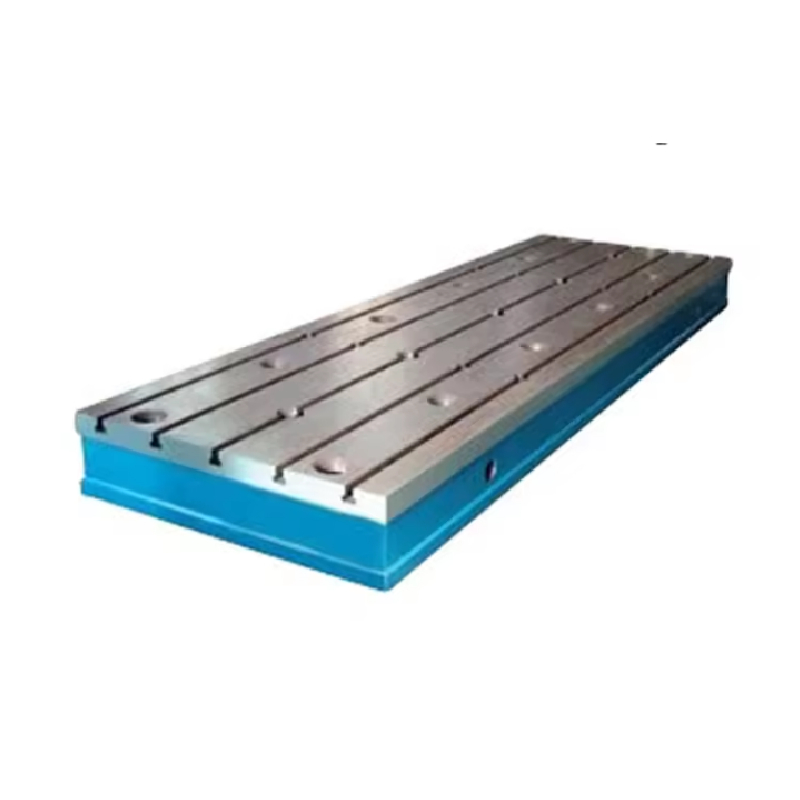
Versatile Clamps for Securely Holding Workpieces on Welding Tables
The Essential Guide to Welding Table Clamps Welding is an integral part of various industries, from
Y filtre en fonte
Le Strainer Y en Fonte Un Équipement Indispensable pour l’Industrie Dans le domaine de l’industrie,
 English